


Medically reviewed by Dr. Joy L. Long, M.D., Board-Certified Orthopedic Surgeon, Sports Medicine and Shoulder Specialist.
Shoulder pain has a way of getting ignored.
You adjust your workouts, sleep on the other side, or take a break from activity and assume it will go away. Sometimes it does—but often it doesn’t. And the longer you wait, the more likely a minor issue turns into something more serious, like a rotator cuff tear or chronic stiffness.
If you're an active adult in Pennsylvania, understanding when to seek care from a sports medicine specialist can make the difference between a quick recovery and long-term damage.

Why the Shoulder Is Prone to Injury
The shoulder is the most mobile joint in the body. That flexibility allows for a wide range of motion—but it also makes the joint more vulnerable. Unlike the hip, which has a deep socket for stability, the shoulder relies on muscles, tendons, and ligaments to stay aligned. Even small imbalances or overuse can lead to irritation, inflammation, or structural damage over time.Common Causes of Shoulder Pain
Shoulder pain can develop from a variety of conditions, including:- Rotator cuff tendinitis or tears — common in overhead activities
- Shoulder impingement — pain when lifting the arm
- Labral tears — often from sports or sudden injury
- AC joint injuries or arthritis — pain at the top of the shoulder
- Frozen shoulder — stiffness and limited range of motion
- Shoulder arthritis — chronic pain and reduced mobility
6 Signs You Should See a Sports Medicine Specialist
If you’re experiencing any of the following, it’s time to get evaluated:- Pain that wakes you up at night
- Weakness when lifting or rotating your arm
- A popping, clicking, or catching sensation
- Loss of range of motion
- Pain that lasts longer than 2–3 weeks
- Injury from a fall, collision, or sports activity
What to Expect at Your First Visit
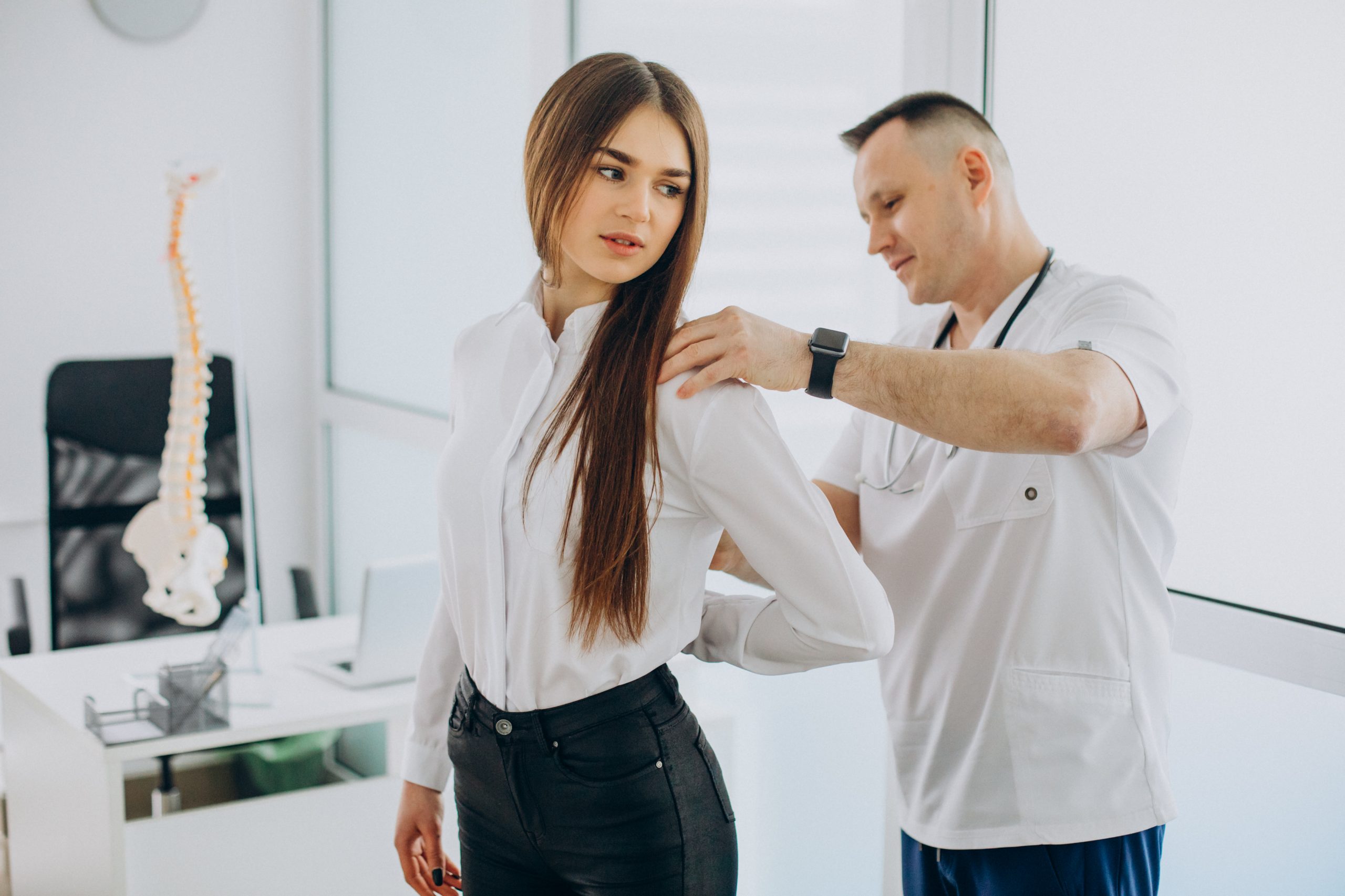
At Lancaster Orthopedic Group, your first visit includes:- A detailed discussion of your symptoms and activity level
- A physical examination to assess strength and movement
- On-site X-rays if needed
- A personalized treatment plan
Treatment Options: From Conservative to Surgical
Most shoulder conditions can be treated without surgery. Your care plan may include:- Physical therapy to restore strength and mobility
- Activity modification to reduce strain
- Anti-inflammatory medications
- Image-guided injections for pain relief
Why Sports Medicine Matters (Even If You're Not an Athlete)
You don’t need to be a competitive athlete to benefit from sports medicine care. Sports medicine focuses on helping people return to the activities they care about—whether that’s working out, playing with your kids, gardening, or staying active. At Lancaster Orthopedic Group, our specialists use the same techniques designed for athletes to help everyday patients recover faster and move better.Frequently Asked Questions
Can shoulder pain go away on its own? Mild cases may improve with rest, but persistent pain often requires treatment to fully resolve. Do I need an MRI for shoulder pain? Not always. Many conditions can be diagnosed through a physical exam and X-rays. How long does rotator cuff recovery take? Non-surgical recovery may take weeks to months. Surgical recovery typically takes several months with physical therapy. Can I avoid surgery? In many cases, yes. Early treatment improves the chances of avoiding surgery.Wrapping Up
Ignoring shoulder pain can lead to more serious issues over time. If pain is affecting your sleep, work, or daily activities, it’s worth getting evaluated. The sports medicine team at Lancaster Orthopedic Group can help identify the cause and create a treatment plan that gets you back to full movement. Call 717-560-4200 or request an appointment online to get started.Have questions as you prepare for your joint replacement surgery? Call our office

Speak to a Specialist
717.560.4200